
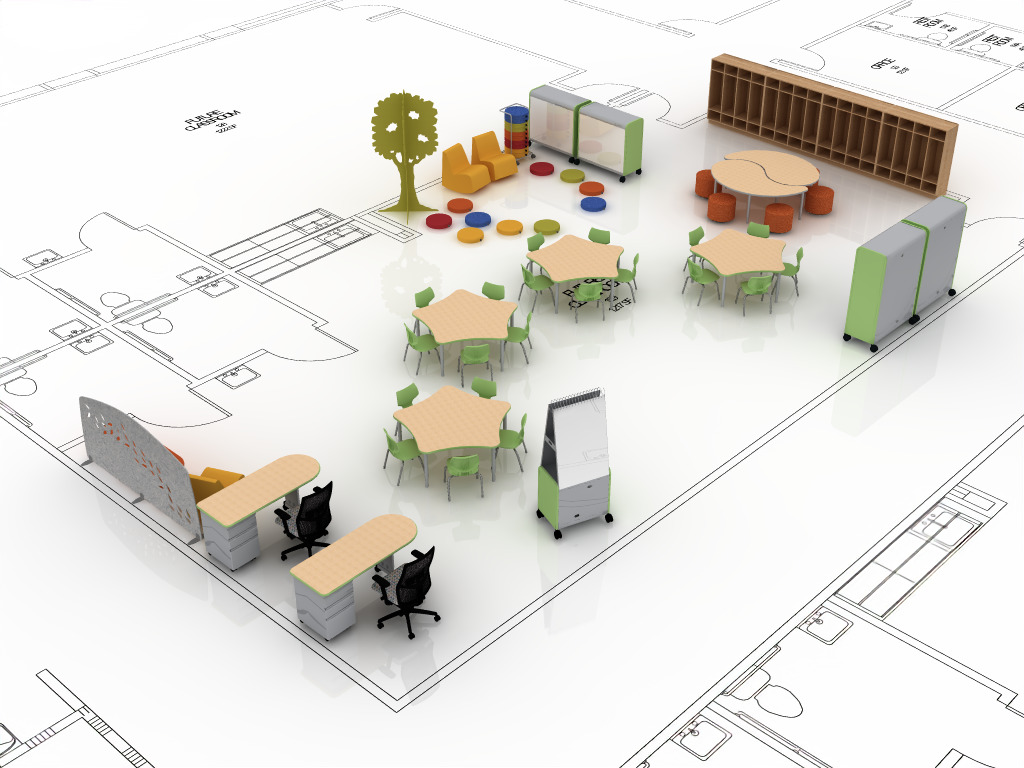
Today’s K-12 school system continues to reform education through the adoption of flexible classroom environments and an emphasis on personalized learning. As technology grows and higher regard for learning styles increases, the traditional classroom evolves. Moseley Architect Vice President, Jennifer Lyon gives her insights on designing for K-12 schools and embracing individuality in the classroom.
In this case study we will explore evolving classroom design, challenges within the furniture selection process to accommodate the variety of learning styles and solutions that can be provided.
Challenge
Students vary in their learning pace, cognitive abilities, interests, cultural backgrounds, socioeconomic situations and personal experiences, leading to diverse learning needs. Considering a wide range of educational furnishings to accommodate a variety of learning styles and backgrounds can be a challenge when designing for a group of students. Flexibility, inclusivity and comfort all play an important role when designing K-12 schools.
It is important to consider programs such as Individualized Education Programs (IEPs) and Individual Learning Plans (ILPs) when selecting educational furniture. A balance between collaborative learning and breakout areas for teacher-student learning is required to meet the diverse needs of all students.
Solution
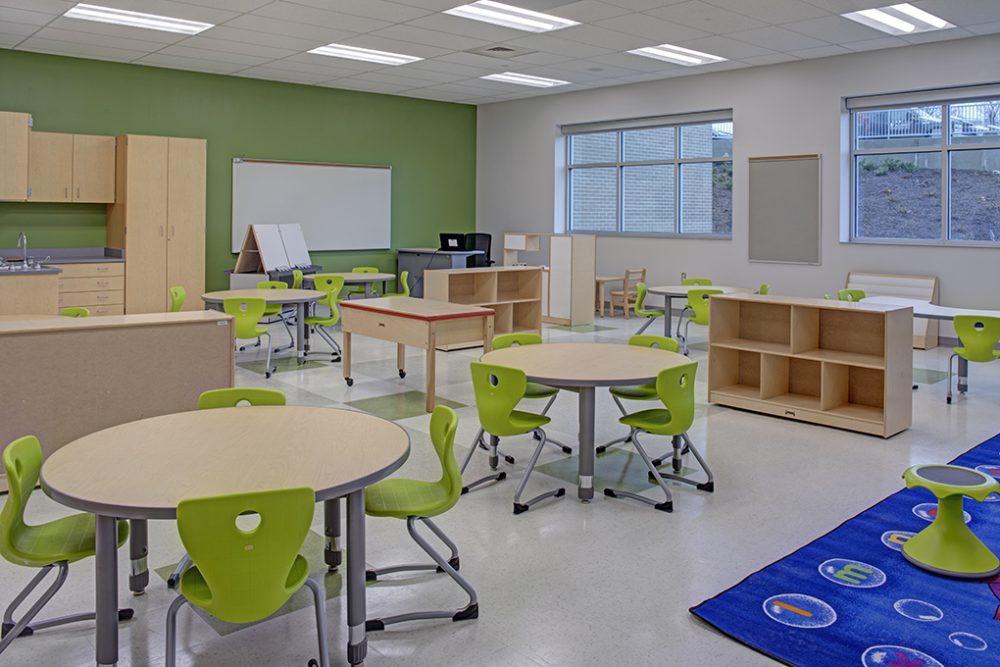
Creating an environment where students can learn and master materials is the primary goal when outfitting a school. To achieve the result of a student-centric design that focuses on the diverse needs of different learning styles, Douron is able to guide the selection of furniture, fabric and finishes.
Embracing individuality in the classroom includes the following:
New Design Trends
Jennifer Lyon believes that “every type of student leads to a new design trend so that features are provided in their educational spaces which will respond to their unique needs.” With evolving learning styles, come innovative solutions to the modern classroom.
Adaptability
Offering a variety of spaces allows students to choose arrangements that best suit their needs, including dedicated collaborative areas with comfortable group seating and quiet nooks for focused work. Adaptability supports the need to rearrange furniture to facilitate diverse learning activities.
Personalized Learning
Providing breakout areas for teacher-student learning allows students with documented disabilities who qualify for an IEP or students seeking help with setting goals for college and careers through ILPs to receive the one-on-one time needed to excel in the classroom.
Expected Results
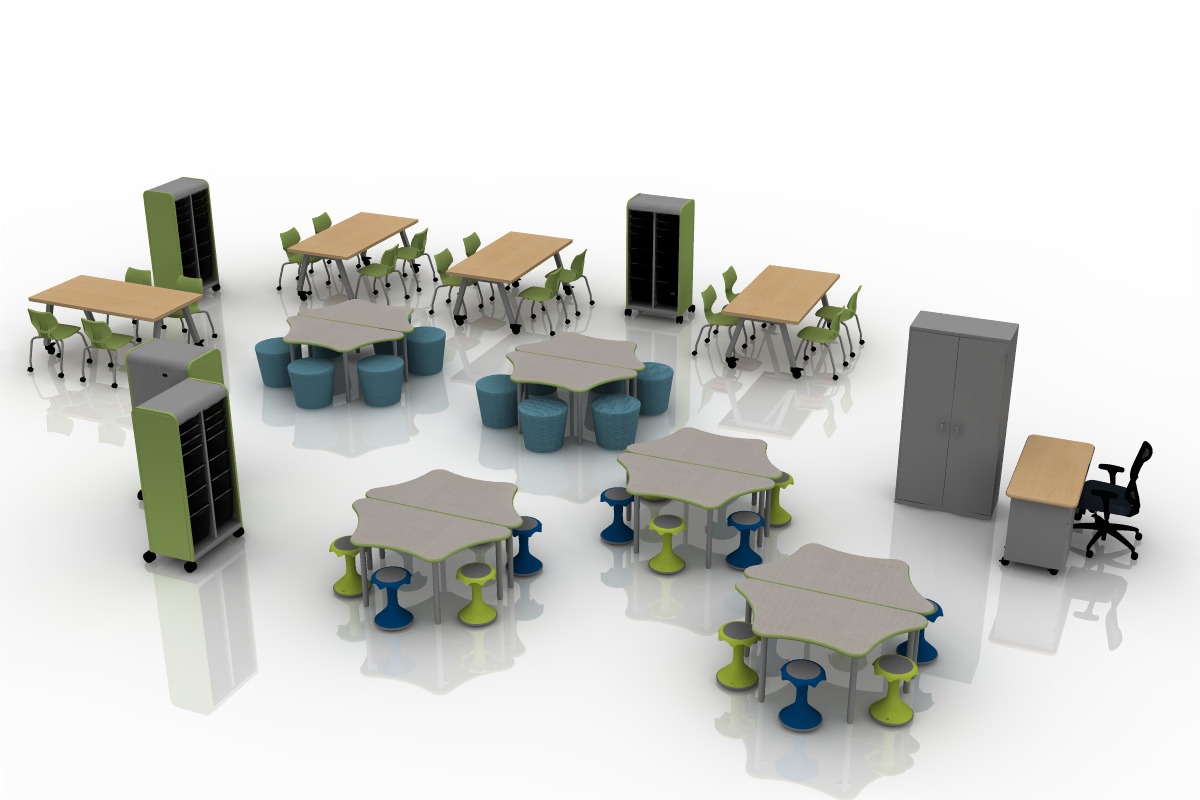
The adoption of flexible environments to accommodate a diverse range of backgrounds and learning styles can produce significant results:
Functionality
With the ability to rearrange furniture as needed, this creates an environment that increases functionality through a variety of collaborative and/or individualized activities.
Confidence & Comfort
By offering resources such as mobile seating, acoustic panels, collaborative tables, individual workstations, etc., schools are enabling students to feel confident and comfortable in their learning environment.
More Design Responses
Jennifer Lyon comments that “variations in the type of learners are always evolving, which then leads to more and more design responses that are developed to address the unique needs of today’s students.” More design responses lead to more innovative learning for all types of students.
Conclusion
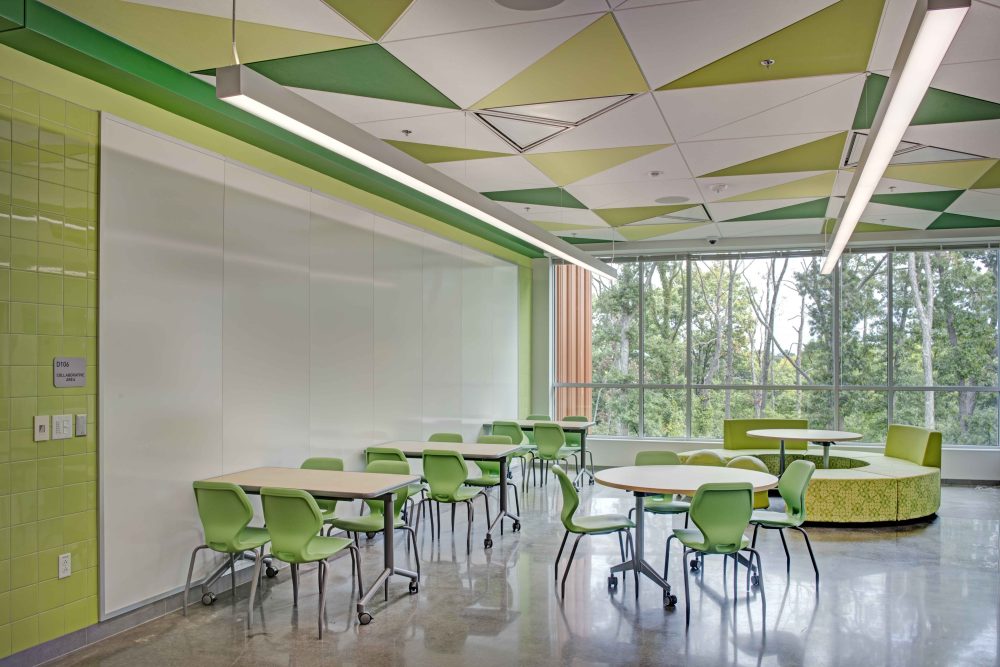
Today’s classrooms should encourage embracing individuality in the classroom to allow students to learn and master materials through their learning style.
Douron strives to continue to create rich environments that provide flexible opportunities for personalized learning, collaboration and overall student growth.
Questions about how to reform your classroom for different types of learning styles? Contact Douron.

Meet the Expert
Jennifer Lyon, Vice President at Moseley Architects, strives for a collaborative approach to design meaningful spaces that respond to context, program and budget. With two decades of design experience, she oversees the K-12, multifamily and senior living sectors in the Baltimore area.
Fun Fact: Jennifer’s music trends and favorite songs are situational; “I have to have too much of a mix of songs, genres or bands at any time!”